For borax mine wastewater treatment, high molecular weight (12-18 million) anionic polyacrylamide (APAM) is the preferred choice for tailings/suspension flocculation and sedimentation. For complex wastewater containing organic agents or sludge dewatering, medium-to-low ionicity cationic polyacrylamide (CPAM) should be used in conjunction, and the final selection should be determined through beaker experiments.
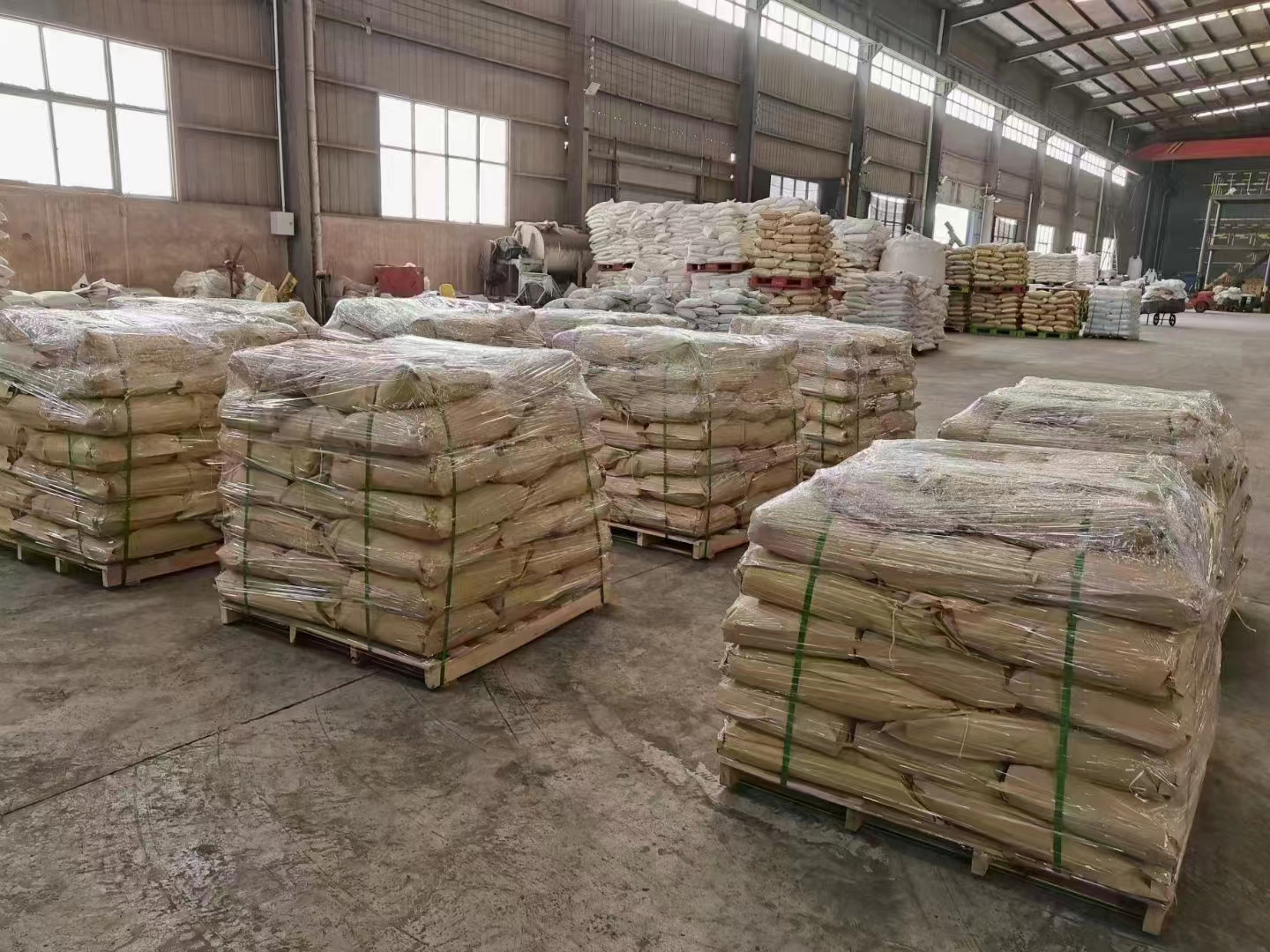
Core Selection Criteria
Ion Type: Borax mine wastewater mainly contains inorganic mineral particles (with few negative charges or neutral to positive), relying on "adsorption bridging" rather than charge neutralization; anionic type is most effective. Cationic type is only used for subsequent sludge dewatering or in cases containing large amounts of organic flotation agents.
Molecular Weight Requirements: High molecular weight (recommended above 14 million) is required to form large, dense flocs, accelerating the sedimentation of fine borax tailings and reducing the turbidity of the supernatant.
Degree of hydrolysis/degree of ionization: Select an anionic product with a moderate to high degree of hydrolysis (20%-30%) to enhance solubility and bridging ability in alkaline or high-salt environments (borax aqueous solution is alkaline).
Dissolution and addition: Must be prepared and used immediately. The concentration should be controlled at 0.1%-0.3% to avoid high shear damage to the molecular chains. The addition point should ideally be after pH adjustment and before sedimentation.
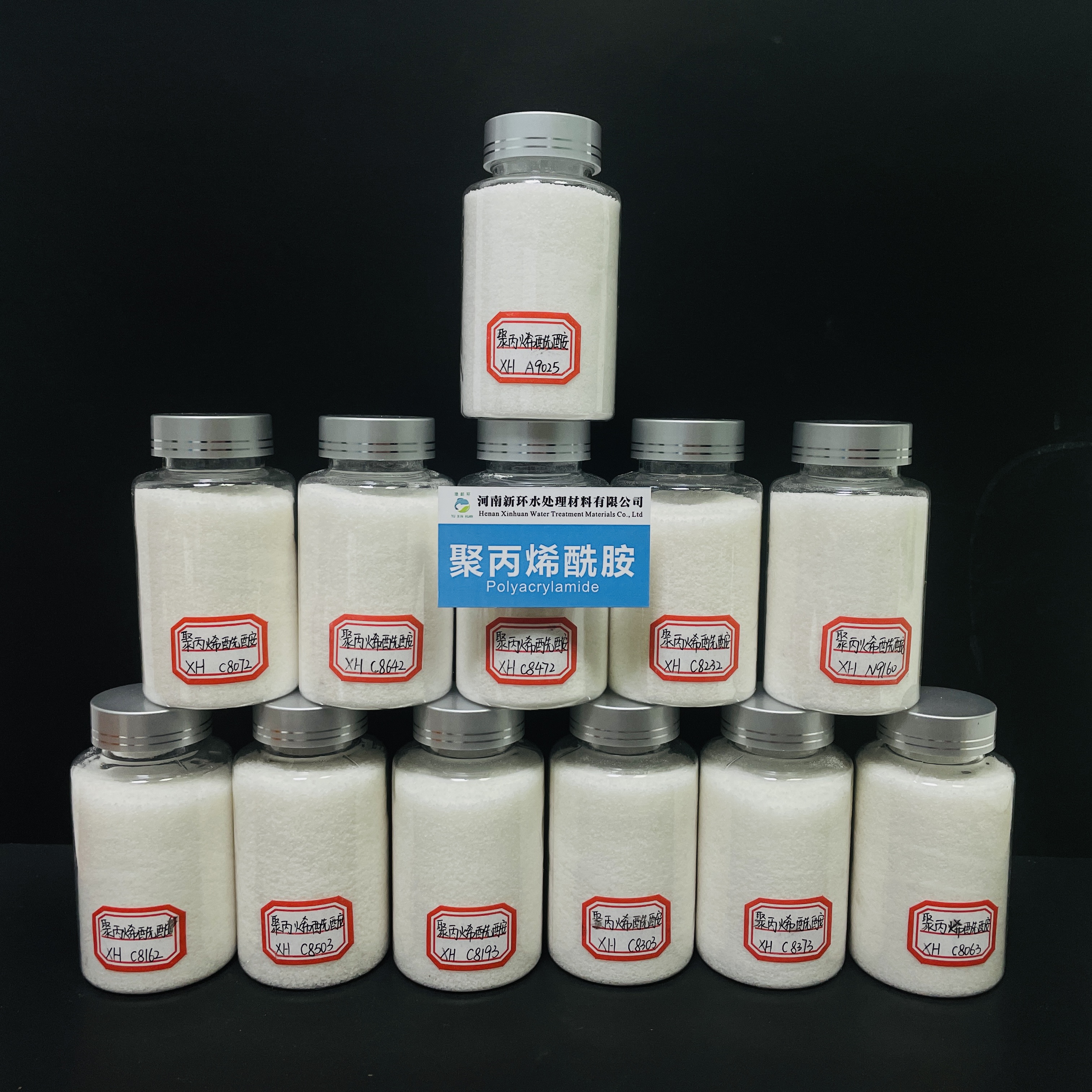
Food-grade white polyaluminum chloride, drinking water-grade polyaluminum chloride, industrial-grade polyaluminum chloride, anionic polyacrylamide, cationic polyacrylamide, nonionic polyacrylamide, petroleum-recovered polyacrylamide, polymer flocculants, polymer flocculants and coagulants, polyferrous sulfate, polyaluminum ferric chloride, and other water treatment chemicals. Welcome customers to contact us for business inquiries! Tel/WhatsApp: +8619937036955 Email: tina@xhwtm.com Contact Person: Tina


