Selection Principles and Typical Scenarios
Anionic (APAM): The most commonly used, suitable for alkaline or neutral tailings treatment of most metallic ores (iron, copper, gold, etc.) and non-metallic ores (apatite, bauxite), utilizing its long-chain bridging effect.
Nonionic (NPAM): Suitable for acidic environments or high-salinity slurries, with good flocculation effect on fine suspended solids and less affected by electrolytes.
Cationic (CPAM): Less commonly used in main process sedimentation, mostly used for clarification after specific acid dissolution (such as some gold ores) or in the dewatering stage of sludge containing a large amount of organic matter.
Key Operations: The optimal molecular weight and dosage need to be determined through beaker tests based on the slurry pH, particle size, and ionic strength. Excessive dosage can lead to colloidal protection that hinders sedimentation.
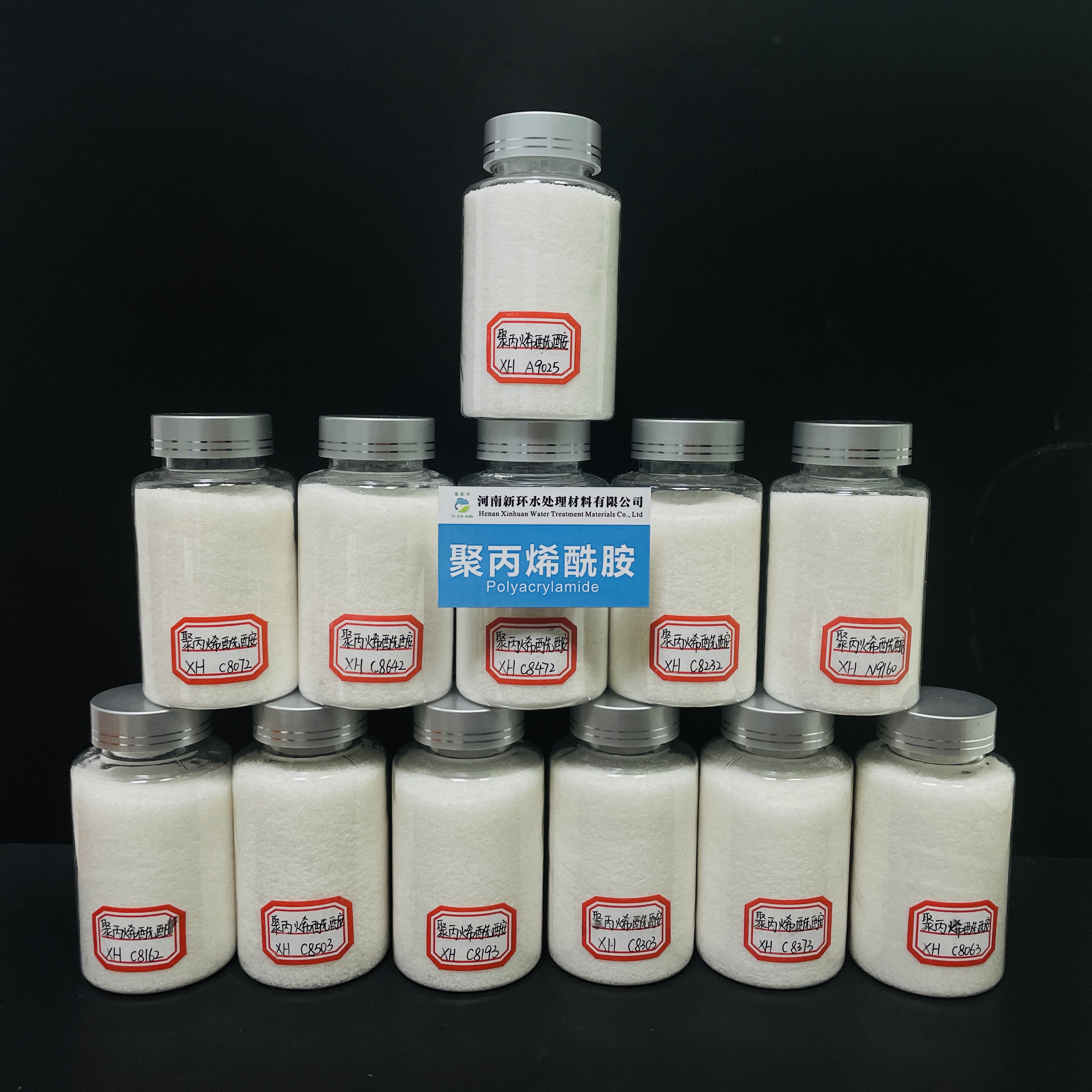
Food-grade white polyaluminum chloride, drinking water-grade polyaluminum chloride, industrial-grade polyaluminum chloride, anionic polyacrylamide, cationic polyacrylamide, nonionic polyacrylamide, petroleum-recovered polyacrylamide, polymer flocculants, polymer flocculants and coagulants, polyferrous sulfate, polyaluminum ferric chloride, and other water treatment chemicals. Welcome customers to contact us for business inquiries! Tel/WhatsApp: +8619937036955 Email: tina@xhwtm.com Contact Person: Tina